
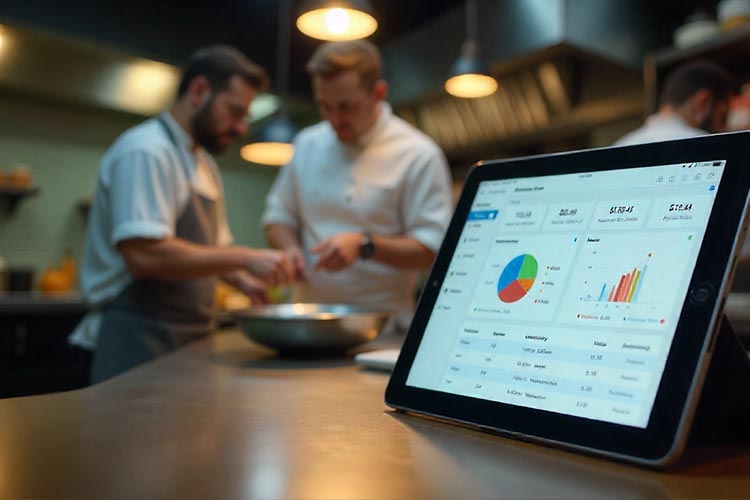
রেস্টুরেন্টে প্রতিদিনের ব্যবসার বড় একটি অংশ নির্ভর করে কাঁচামাল এবং স্টকের ওপর। খাবারের মান বজায় রাখতে এবং অতিরিক্ত খরচ কমাতে সঠিক স্টক ম্যানেজমেন্ট অপরিহার্য। কাঁচামালের যথাযথ ব্যবস্থাপনা না হলে, স্টক ও বিলের হিসাব না মেলানোর কারণে ব্যবসায় ক্ষতি হতে পারে, যেমন খাদ্য অপচয়, অতিরিক্ত মজুদ, অথবা প্রয়োজনীয় উপাদান শেষ হয়ে যাওয়া। সঠিক স্টক ম্যানেজমেন্ট রেস্টুরেন্টকে শুধু আর্থিকভাবে স্থিতিশীল রাখে না, বরং গ্রাহক সেবার মানও বৃদ্ধি করে।
অতিরিক্ত স্টক রাখলে পণ্য নষ্ট হতে পারে, আবার কম স্টক থাকলে গ্রাহক সন্তুষ্টি কমে যাবে। তাই স্টকের সঠিক পরিমাণ এবং সঠিক সময়ে প্রয়োজনীয় উপকরণ সংগ্রহ করা অত্যন্ত গুরুত্বপূর্ণ।
কীভাবে রেস্টুরেন্ট স্টক ম্যানেজ করবেন?
প্রতিদিনের ক্রয় এবং বিক্রয়ের হিসাব লিখে রাখুন:
প্রতিদিন স্টকের আপডেট রাখা এবং ক্রয়-বিক্রয়ের হিসাব সঠিকভাবে রেকর্ড করা খুবই গুরুত্বপূর্ণ। এটি আপনাকে দেখাবে কোন আইটেমের চাহিদা বেশি এবং কোন আইটেম কম বিক্রি হচ্ছে। এর মাধ্যমে আপনি আগাম ধারণা করতে পারবেন কী পরিমাণ পণ্য অর্ডার করতে হবে। একাধিক বিক্রয় চ্যানেল ব্যবহার করার সময়, প্রতিটি চ্যানেলের হিসাব আলাদাভাবে রাখা উচিত।
ইনভেন্টরি সফটওয়্যার বা POS ব্যবহার করুন:
স্টক ম্যানেজমেন্টের জন্য আধুনিক প্রযুক্তি ব্যবহার করা অত্যন্ত উপকারী। ইনভেন্টরি সফটওয়্যার বা POS (Point of Sale) সিস্টেম ব্যবহারে স্টক ট্র্যাকিং অনেক সহজ হয়ে যায়। এসব সিস্টেমের মাধ্যমে আপনি স্বয়ংক্রিয়ভাবে স্টক আপডেট দেখতে পারেন, এবং কোনো পণ্যের স্টক শেষ হওয়ার আগেই একটি অ্যালার্ম বা নোটিফিকেশন পাবেন। এর মাধ্যমে আপনি দ্রুত নতুন স্টক অর্ডার করতে পারবেন, ফলে ব্যবসায় কোনো সমস্যা সৃষ্টি হওয়ার আগেই তা সমাধান করা সম্ভব হবে।
কোন আইটেম কখন শেষ হবে তার আগে নোটিফিকেশন পেলে ব্যবসায় ঝামেলা কমে যাবে:
সঠিকভাবে স্টক ট্র্যাকিং করতে পারলে, আপনি সহজেই আগাম জানবেন কোন আইটেম কমে যাচ্ছে এবং কবে নতুন পণ্য প্রয়োজন হবে। POS সিস্টেমে অ্যালার্ম সেট করা যায় যাতে নির্দিষ্ট কোনো আইটেমের স্টক শেষ হওয়ার আগে আপনি সেটা জানাতে পারেন এবং দ্রুত সরবরাহ ব্যবস্থা শুরু করতে পারেন। এতে গ্রাহকদের অসন্তুষ্টি থেকে রক্ষা পাওয়া যায় এবং ব্যবসা চলমান থাকে।
স্টক রোটেশন প্র্যাকটিস করুন:
কাঁচামালের স্টক রোটেশন প্র্যাকটিস করা অত্যন্ত গুরুত্বপূর্ণ। অর্থাৎ, পুরনো পণ্য আগে ব্যবহার করুন, পরে আসা পণ্য পরে ব্যবহার করুন (FIFO – First In, First Out)। এর ফলে, কাঁচামাল নষ্ট হওয়া বা অপ্রচলিত হওয়া কমে যায়। নিয়মিত স্টক চেক করার মাধ্যমে এসব সমস্যা এড়ানো যায়।
শিপমেন্ট এবং ডেলিভারি ট্র্যাকিং নিশ্চিত করুন:
সরবরাহকারী থেকে আগত পণ্য সঠিকভাবে চেক করা এবং শিপমেন্টের অবস্থা ট্র্যাক করা প্রয়োজন। যদি কোন পণ্য সময়মতো না আসে বা কোন পণ্য কম আসে, তাহলে সেটা দ্রুত সমাধান করা দরকার। নির্ধারিত সময়ে পণ্য না পাওয়া রেস্টুরেন্টের কার্যক্রমে বাধা সৃষ্টি করতে পারে।
স্টক ড্যামেজ বা নষ্ট হওয়া কমানোর জন্য নিয়মিত পরিদর্শন করুন:
স্টক কিপিং বা স্টক ম্যানেজমেন্টের সময়, যেকোনো পণ্যের ড্যামেজ বা নষ্ট হওয়া এড়িয়ে চলা উচিত। নিয়মিত পরিদর্শন ও পুনঃপরীক্ষণ করার মাধ্যমে আপনি সহজেই ড্যামেজ হওয়া পণ্য শনাক্ত করতে পারবেন এবং তা দ্রুত ব্যবহারের জন্য প্রস্তুত করতে পারবেন। স্টক ড্যামেজ কমাতে এবং পণ্য দীর্ঘস্থায়ী রাখার জন্য সঠিক অবস্থানে স্টক সংরক্ষণ করা অত্যন্ত গুরুত্বপূর্ণ।
ডেটা অ্যানালিটিক্স ব্যবহার করুন:
স্টক ম্যানেজমেন্টের ডেটাকে বিশ্লেষণ করতে ডেটা অ্যানালিটিক্স ব্যবহার করা যেতে পারে। এর মাধ্যমে আপনি বিক্রয়ের ট্রেন্ড, পণ্য ব্যবহারের গতিপথ, এবং ঋণ-পূর্বক বিক্রয়ের তথ্য দেখতে পারবেন। এই তথ্যের মাধ্যমে আপনি আপনার স্টক আরো কার্যকরভাবে পরিচালনা করতে পারবেন এবং অতিরিক্ত খরচ কমাতে পারবেন।
নির্ভুল স্টক ম্যানেজমেন্টের সুবিধা:
- অতিরিক্ত খরচ কমাবে: সঠিক স্টক ম্যানেজমেন্ট আপনার মজুদ স্থিতিশীল রাখে, ফলে অতিরিক্ত স্টক রাখার বা পণ্য নষ্ট হওয়ার সম্ভাবনা কমে যায়।
- গ্রাহক সন্তুষ্টি: প্রয়োজনীয় উপকরণ সবসময় পাওয়ার মাধ্যমে গ্রাহকরা সন্তুষ্ট থাকে, এবং আপনার রেস্টুরেন্টে ফিরে আসতে উৎসাহিত হয়।
- অপচয় কমে যাবে: স্টক ব্যবস্থাপনা ঠিকভাবে করলে, কাঁচামাল নষ্ট হওয়ার সম্ভাবনা কমে যায়, যা পরিবেশবান্ধব এবং অর্থনৈতিকভাবে লাভজনক।
Stock management plays a vital role in the success of any restaurant. Every day, the smooth functioning of your business depends on the availability and proper handling of raw materials. Without accurate stock management, restaurants may suffer from food waste, over-purchasing, ingredient shortages, and ultimately, financial losses. By maintaining a well-organized stock system, restaurant owners can ensure both operational efficiency and customer satisfaction. Proper stock management not only saves costs but also helps maintain consistency in food quality, which is critical for building long-term trust with customers.
Why is Stock Management Important?
Restaurant businesses rely heavily on fresh ingredients and proper inventory balance. Having too much stock often results in spoilage and wasted investment, while insufficient stock can leave customers dissatisfied. Accurate stock management ensures the right balance between supply and demand, helping businesses remain stable and competitive. It also reduces stress for managers and staff, as they can focus more on service quality rather than last-minute ingredient shortages.
Effective Stock Management Tips for Restaurants
1. Record Daily Purchases and Sales
Keeping a daily record of purchases and sales helps identify trends and forecast demand more accurately. It allows restaurant owners to know which items are in high demand and which ones sell less. By analyzing this data, managers can adjust purchase orders and prevent overstocking. For restaurants with multiple sales channels such as dine-in, takeaway, and online orders, keeping separate records for each channel provides even better visibility.
2. Use Inventory Software or POS Systems
Modern restaurants are shifting to digital solutions such as inventory management software and POS (Point of Sale) systems. These tools automatically track sales and update stock levels in real-time. Many systems also provide low-stock alerts and generate reports that help managers place orders at the right time. By automating stock management, human error is reduced, and overall efficiency improves.
3. Receive Notifications Before Items Run Out
One of the major benefits of using POS systems is automated alerts. By setting notifications for specific items, managers can be informed when stock is running low, well before it runs out completely. This feature helps avoid last-minute shortages and ensures that all ingredients are available for preparing customer orders. It reduces stress and prevents potential customer dissatisfaction.
4. Practice Stock Rotation (FIFO Method)
The FIFO (First In, First Out) method is one of the most effective practices for managing perishable items. Older stock should always be used before newer stock to reduce waste and avoid expired products. Training staff to follow FIFO ensures that items are consumed in the correct order, minimizing spoilage and saving money in the long run.
5. Track Shipments and Deliveries
Managing suppliers and shipments is another essential part of stock management. Restaurants should carefully check incoming deliveries to ensure accuracy and quality. Tracking shipments also helps identify delays or shortages quickly, allowing managers to take immediate action. Reliable supplier relationships and clear communication can prevent stock shortages that disrupt restaurant operations.
6. Monitor Stock Damage and Conduct Regular Inspections
Damaged or spoiled items directly impact restaurant profitability. Conducting regular inspections of storage areas helps identify damaged goods early, so they can either be used immediately or discarded before they cause further losses. Proper storage practices, such as maintaining correct temperature and humidity levels, also extend the shelf life of ingredients and minimize waste.
7. Use Data Analytics for Smarter Decisions
Analyzing sales and stock data allows restaurants to make smarter purchasing decisions. By reviewing which items sell most frequently, managers can forecast future demand, adjust menu offerings, and negotiate better deals with suppliers. Data-driven insights reduce unnecessary costs and improve profitability. It also provides valuable information for seasonal planning, special promotions, and long-term growth strategies.
Benefits of Accurate Stock Management
Proper stock management has a wide range of benefits for restaurant businesses:
- Reduced Costs: Prevents over-purchasing, spoilage, and unnecessary expenses.
- Customer Satisfaction: Ensures that ingredients are always available, keeping customers happy and loyal.
- Less Waste: Helps manage perishable items efficiently, reducing food waste and supporting eco-friendly practices.
- Smoother Operations: Keeps the kitchen organized and allows staff to work more efficiently with fewer delays.
- Reliable Supply Chain: Forecasting demand accurately ensures restaurants are prepared for peak business hours.
In the restaurant industry, stock management is not just about keeping shelves full—it is about creating a balance between cost control, customer satisfaction, and smooth operations. By tracking purchases, using technology like POS systems, practicing FIFO, and analyzing sales data, restaurants can reduce waste and improve efficiency. Ultimately, proper stock management creates a stable and profitable business while delivering excellent dining experiences to customers.